Hunting Wiki

Realistic Hunting Wiki - Games, Simulator & Platforms

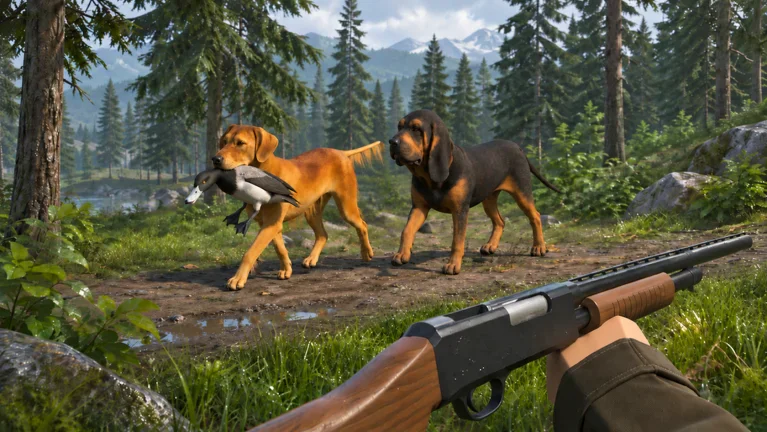
Realistic Hunting is a Roblox hunting game guide and wiki for scouting wildlife, choosing weapons and gear, tracking trophies, and comparing realistic hunting game platforms and simulator questions.

4.3KPlaying now
7.3M+Total visits
95%Rating
40.2KFavorites
Realistic Hunting Wiki - Games, Simulator & Platforms
Beginner Hunting

Realistic Hunting Beginner Guide

1

Learn the basic hunting sequence

Complete the Hunting Tutorial before spending ammunition on distant targets. Learn the basic shooting and harvesting prompts so you recognize what to do after a successful hit. Then visit the General Store and review your available money, level, ammunition, Calls, and Field Gear. Use the live store panel because prices and requirements can change rather than relying on old equipment lists.

  • Finish the Tutorial before attempting longer hunts.
  • Review live equipment and ammunition requirements.
  • Choose tools that match your target.
2

Prepare and travel toward your target

Select a deer goal and confirm that you have the relevant tag before leaving. Match the target and range with suitable ammunition and a weapon, such as the Scoped Rifle example for deer. Use an ATV to cover long distances, but dismount before entering the likely animal area so vehicle noise does not undermine your quiet approach.

  • Check tags before beginning the outing.
  • Match weapons and ammunition to targets.
  • Leave the ATV before approaching wildlife.
3

Scout and make a deliberate shot

Search by sight and sound, then use Binoculars to inspect distance, animal size, age, or antler details. Read the wind and reduce noise, movement, and posture changes when your approach becomes exposed. Wait or reposition instead of chasing an alerted animal. When the range and target are clear, use the prepared weapon and make one deliberate shot.

  • Scout before spending ammunition or tags.
  • Reposition when wind or noise exposes you.
  • Avoid repeated shots at unclear targets.
4

Track, harvest, and evaluate the result

After a hit, inspect the last reliable position and follow tracks or blood until you locate the animal. Recheck the firing position and travel direction if the trail is unclear instead of abandoning a credible hit. Complete the harvest interaction, note the hit result and Trophy Grade, then keep a strong catch in the Cabin or sell it for money and experience.

  • Follow credible tracks and blood trails.
  • Complete the harvest interaction carefully.
  • Keep valuable trophies for Cabin display.
Codes tracker

Realistic Hunting Codes

Latest collection
Current Status

No Codes Released Yet

Realistic Hunting has not started a code campaign yet. The developer has not published redeemable codes so far, and this page becomes the first place they appear the moment that changes.

Official Sources

Where Codes Will Drop

Future codes arrive through official channels: the Realistic Hunting Roblox game page and developer community posts. Check back after every major update and event.

Step By Step

How To Redeem Codes

Once codes go live, open Realistic Hunting, find the codes button in the game menu, type the code exactly as shown, and your reward lands on your account instantly.

Weapon Roles

Realistic Hunting Weapon Roles

ItemRolePairingCheck
Scoped rifleLarge animal precisionRifle ammunition, scopePrice and level
Wolverine 7 millimeterNight rifle exampleThermal scope, hollow pointsDamage and range
GrizzlyLater rifle optionRifle ammunition, opticsStats and unlock
PistolClose turkey optionHandgun ammunitionRange and cost
ShotgunClose bird huntingBird shotShell compatibility
BowSeason-dependent huntingCompatible arrowsCurrent bow rules
ScopeDistance observationCompatible weaponMagnification and fit
Thermal scopeNight animal locatingCompatible weaponView behavior
MuzzleFirearm attachmentCompatible firearmCurrent item effects
BipodFirearm attachmentCompatible firearmCurrent item effects
StockFirearm attachmentCompatible firearmCurrent item effects
Hunt Flow

Realistic Hunting Hunt Flow

1

Prepare for one target

Begin at the General Store and choose equipment for the intended animal. Bring a suitable Rifle and ammunition for Deer, Binoculars, a useful Call such as Rattle, and available Tags. Use a Shotgun with Bird Shot for Bird or Turkey, while a Pistol supports close-range opportunities. Check Tag limits before entering Pioneers County and keep the first session focused on one recoverable harvest.

  • Match the weapon and ammunition to the target.
  • Check available Tags before leaving the store.
  • Set a narrow objective for the first session.
2

Scout activity and quality

Use the map to select a lake, stream, woodland, or mountain route where animals may move. Search with Binoculars, identify tracks, and read their direction; overlapping tracks may indicate a small group. Observe the animal long enough to judge its body size, antlers, coat, direction, and Trophy Grade potential before deciding whether this target deserves a careful approach.

  • Use tracks to understand movement direction.
  • Judge target quality before committing to pursuit.
  • Consider whether a better trophy may be nearby.
3

Approach with wind control

Close the distance without sacrificing concealment. Watch the Wind and Noise Meter, avoid rushing, and use crouching when finishing the approach. An ATV can cover distance early, but stop well away from the target because engine noise can disrupt a quiet approach. If using Rattle, remain hidden and wait for the animal's response instead of pushing forward.

  • Let Wind guide the approach route.
  • Leave the ATV away from the target.
  • Wait concealed after using Rattle.
4

Take and track the shot

Treat the shot as a decision gate, not the end of scouting. Fire only when the distance, angle, target, and weapon suit a safe recovery. After firing, mark the Impact Site and pause to inspect the first tracks and Blood Trail. Follow the last clear direction instead of sprinting directly after the animal or guessing across the terrain.

  • Choose a clear angle and suitable range.
  • Mark the Impact Site immediately after firing.
  • Follow confirmed evidence rather than random movement.
5

Recover and close the session

Continue between tracks and blood marks until reaching the animal, watching for changes in direction. A wounded Bear requires a retreat route, cover, a follow-up shot plan, or teammate support before continuing. Confirm Harvest, review Trophy Grade, Money, and Experience, then register or sell the result, check progress, restock ammunition, and review Tags before another outing.

  • Treat wounded Bear recovery as a dangerous encounter.
  • Review the harvest result and Trophy Grade.
  • Restock and confirm limits before hunting again.
Animals

Realistic Hunting Animals

Confirmed roster

Animal Groups

The confirmed roster covers deer, large game, birds, predators, small game, and rare variants across practical hunting roles and species.

  • Identify the target before choosing equipment.
  • Treat Buck and Doe as deer sex terms.
  • Verify uncertain names through the current animal panel.
Equipment choices

Target Equipment

Select weapons, ammunition, calls, and observation tools according to the animal, distance, and hunting situation described in the guide here.

  • Match equipment to target size and distance.
  • Use bird calls for confirmed waterfowl targets.
  • Bring Predator Call for Gray Wolf hunts.
Hunt preparation

Hunting Sequence

Scout with binoculars, Trail Camera, and the map, identify the animal, check range and tags, then make a careful controlled vital-area shot every time.

  • Confirm sex or variant information before firing.
  • Check distance, weapon, ammunition, and tags.
  • Follow blood, footprints, and hit information.
Harvest results

Trophies And Progression

Harvests can provide Money, Experience, quests, equipment progression, and trophy opportunities after the game confirms the result.

  • Inspect animal information and hit location.
  • Use current harvest results for trophy grades.
  • Display high-quality animals in collection spaces.
Rare variants

Identification Limits

Albino, Melanistic, and Piebald variants are confirmed collection targets, while spawn odds, score bonuses, prices, weights, and thresholds remain unconfirmed.

  • Treat rare variants as collection goals.
  • Verify uncertain labels through current game panels.
  • Avoid assuming fixed locations or universal thresholds.
Field Gear

Realistic Hunting Gear

GearRoleUseSourceLimits
BinocularsScoutingJudge animalsGeneral StorePrice unconfirmed
Trail CameraMonitoringConfirm activityGeneral StoreNear active routes
Tree StandPositionConcealed huntingEquipment menuSuitable areas
Side-by-SideTransportTravel Pioneers CountyVehicle facilitiesModel availability varies
Animal CallsLureAttract targetsGeneral StoreMatch target animal
AmmunitionConsumableLoad weaponsGeneral StoreMatch weapon
Weapon AttachmentsSetupTune weaponsGeneral StoreStats unconfirmed
CasesCosmeticOpen rewardsGeneral StoreEffects unconfirmed
Progression

Realistic Hunting Progression

1

Prepare for the outing

Check your current Money, level, equipment, tags, and objective before entering Pioneers County. Visit the General Store to identify useful rifles, shotguns, ammunition, Calls, Field Gear, binoculars, or other available tools. Choose equipment that matches the intended hunt, while remembering that prices and requirements can change. Bring only what supports a recoverable harvest and the next progression goal.

  • Check current store requirements before leaving.
  • Match equipment to the intended objective.
  • Protect tags for planned targets.
2

Track and recover the animal

Explore on foot or with an ATV, then use tracks, blood trails, noise, wind, binoculars, Calls, or a Trail Camera to identify a worthwhile target. Make a controlled shot and follow the animal’s signs instead of assuming the hit completes the hunt. Recovery matters because the harvest screen reveals the hit location, score, and Trophy Grade.

  • Watch tracks, blood trails, noise, and wind.
  • Follow the trail until recovery is complete.
  • Inspect the harvest result carefully.
3

Choose money or trophy value

Review the recovered animal’s result before deciding what it should support next. Selling converts the harvest into Money for General Store purchases, while saving keeps it available for the Cabin or Trophy Room. Sell ordinary or unwanted results when equipment is the bottleneck, but preserve strong grades or rare appearances when collection matters more than immediate cash.

  • Sell ordinary results for needed equipment.
  • Save meaningful trophies for display.
  • Do not assume rare appearances pay more.
4

Verify progression and set a target

Confirm the money after a sale, the updated level or experience state, any Skill Point, and quest or challenge completion. If something unlocked, inspect the Skill Tree or General Store before spending. If no immediate reward appears, choose a clearer next target. A successful first run needs a recovered animal, a readable result, and an intentional follow-up plan.

  • Verify rewards in the current panels.
  • Inspect Skill Tree choices carefully.
  • Set the next hunt around the bottleneck.
County Maps

Realistic Hunting Maps

Water Habitat

Lakes and Creeks

Lakes and creeks reveal water, cover, and travel corridors where careful observation can help identify activity without relying on permanent animal coordinates.

  • Glass banks, nearby woods, and covered paths
  • Watch wind while moving along creek banks
  • Treat sightings as current clues, not guarantees
Approach Routes

Ridges and Valleys

Ridges provide elevated observation, while valleys, brush, and covered choke points help create safer approaches away from exposed open skylines.

  • Scan lower ground from an elevated overlook
  • Descend through cover instead of crossing skylines
  • Keep retreat routes available after harvesting
Travel Planning

Cabin and Vehicles

The cabin anchors hunting loops, while the Side-by-Side handles long travel before quiet movement continues on foot through nearby target habitats.

  • Plan routes beginning and ending at cabin
  • Use roads for long-distance vehicle travel
  • Park before the final exposed crossing
Hunting Tools

Map-Based Equipment

Binoculars, Tree Stands, and Trail Cameras support observation around ridges, banks, water edges, houses, and meaningful travel routes.

  • Confirm movement with Binoculars before shooting
  • Consider Tree Stands beside promising water edges
  • Place Trail Cameras near meaningful points
Current Checks

Habitat Verification

Habitat patterns matter more than fixed pins because activity, routes, familiar ridges, and Fast Travel conditions can vary between sessions, so verify each hunt through current evidence.

  • Verify locations with tracks and animal behavior
  • Re-scout after updates or server changes
  • Treat community coordinates as temporary clues

Realistic Hunting FAQ

These answers explain the core hunting loop, early progression, equipment choices, and current code status before you start exploring.

What do you do in Realistic Hunting?

You explore the hunting area, scout wildlife, choose suitable weapons and gear, call or track animals, and recover harvested animals. Successful hunts can earn money, experience, and silver, gold, or diamond trophy grades.

How should a new player start?

Complete the opening tutorial by using the provided weapon to shoot the practice buck, then visit the general store to review ammunition, weapons, calls, binoculars, and other field gear. After that, prepare a loadout and begin scouting the hunting area.

Which weapon should I use for different animals?

Match the loadout to the target and distance: a scoped rifle is used for deer, a shotgun with bird shot is suited to birds, and a pistol can work for a close turkey shot. Check your ammunition before leaving the general store.

How do I find and approach animals?

Use binoculars, visual observation, and trail cameras to locate animals and judge distance or trophy potential. An appropriate call such as a rattle can bring an animal closer, while crouching or staying concealed helps you wait for a better shot.

How do hunting tags work?

Tags are limited permits for specific animals, including deer and turkey, so they restrict how many of those animals you can harvest during an outing. Manage your tags before committing to a hunt, and note that a doe harvest may provide another buck tag according to the supplied gameplay evidence.

Are there any current Realistic Hunting codes?

No current redeem codes are listed in the supplied code record. Check the codes guide again when a verified code is added rather than relying on unconfirmed reward claims.